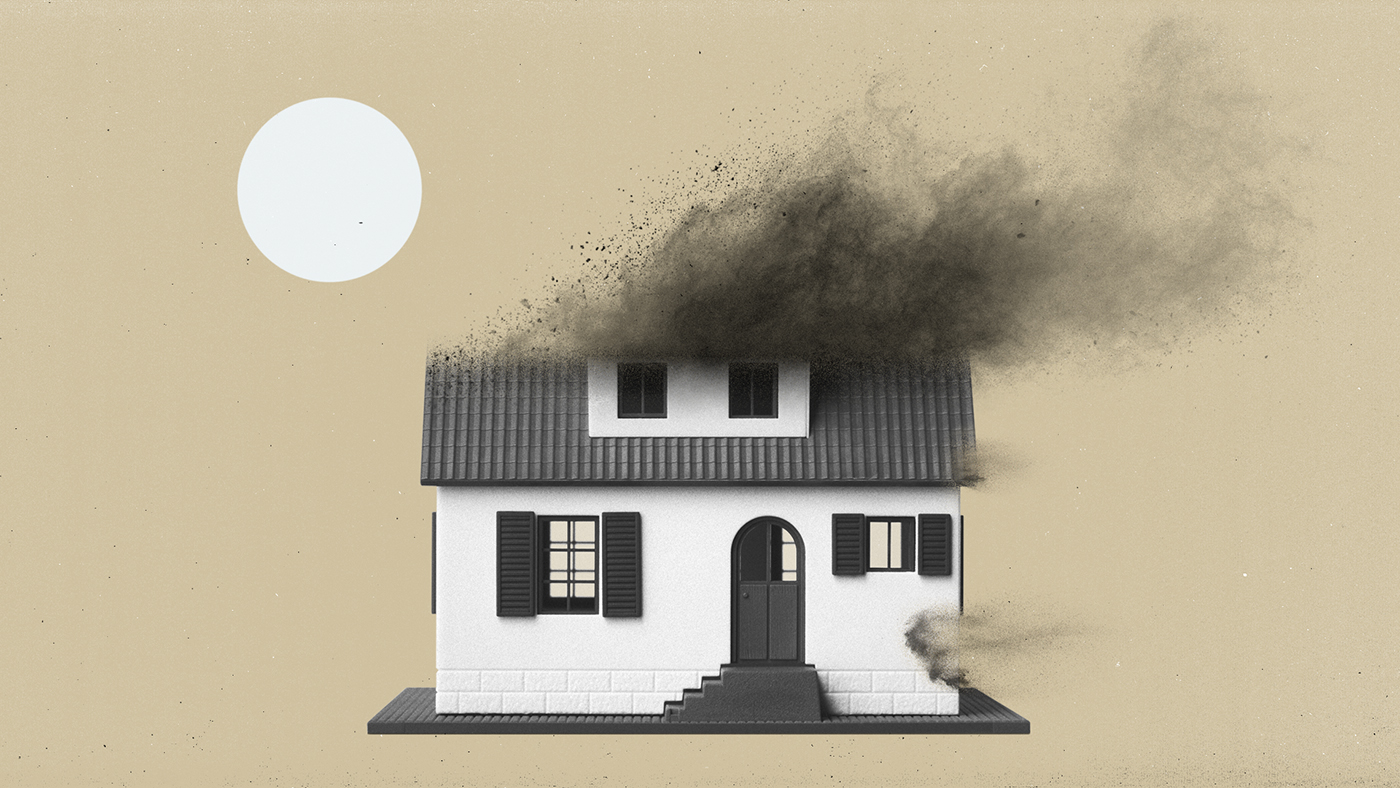
For a prospective buyer watching from the side-lines, a real estate crash often looks like a long-awaited correction, a chance to finally secure a home at a “fair” price. On paper, it seems like a simple win for the average person. However, housing prices do not exist in a vacuum. When the market stalls, it does more than just lower the barrier to entry; it creates a systemic shockwave that can disrupt the financial stability of the entire country.
A collapse in property values is rarely contained within the world of developers and brokers. As real estate is deeply woven into the fabric of the general economy, when the housing engine stops, the ripple effects are felt in the form of frozen small business loans, shrinking budgets for public schools and roads, and a sharp decline in consumer spending that threatens job security across the board.
Disclaimer: Not financial advice. This content is provided for general informational purposes only and does not constitute financial, investment, legal, or tax advice. The information presented is based on publicly available data and estimates that may be subject to change without notice. It does not take into account your individual financial situation, investment objectives, risk tolerance, or specific needs.
The “Negative Wealth Effect” and Consumer Paralysis
For the average family, a home is far more than just a roof, it is the cornerstone of their entire financial life.
Unlike the wealthy, who can rely on a broad mix of stocks and bonds, the middle class often has the vast majority of its net worth tied up in their property. For these households, home equity is not just a number on a page; it is their primary safety net, their retirement plan, and the only significant asset they will pass down to the next generation.
When property values take a dive, that “household piggy bank” begins to shrink. This triggers the Negative Wealth Effect, where even if a family has no plans to sell, the realization that their most valuable asset is losing ground makes them feel financially vulnerable.
This psychological shift causes a sudden, sharp retreat in activity that affects every corner of the market:
- Spending Contraction: As home equity evaporates, households naturally tighten their belts. They defer major purchases like new cars, cancel home improvement projects, and cut back on non-essential goods to preserve what remains of their liquidity.
- The Chain Reaction: Because consumer spending is a primary engine of the economy, this widespread frugality creates a ripple effect. It starves revenue from retailers, service providers, and manufacturers who have no direct connection to real estate, eventually dragging the broader economy toward a standstill.
The Credit Freeze: When Banks Lock the Doors
For banks and lenders, a real estate collapse is far more than a loss of commission; it is a direct threat to their institutional stability. Because the vast majority of property is purchased with borrowed money, the house itself serves as the “security” (collateral) for the loan.
When property values plummet, that security evaporates. If a home is worth less than the mortgage, the bank’s safety net is gone, leaving them exposed to massive losses. To protect their own survival, lenders shift into a defensive crouch, becoming extremely hesitant to release any new capital into the market.
- Heightened Risk Aversion: As defaults rise, banks protect themselves by freezing credit across all sectors, not just housing. This “credit crunch” starves the wider economy of the capital needed to function; even healthy businesses and start-ups find their loan applications rejected, effectively cutting off the fuel for economic growth.
- The Barrier to Entry Rises: The irony of a crash is that while homes are cheaper, the financing required to buy them becomes nearly impossible to obtain. By demanding massive down payments and flawless credit, banks “raise the drawbridge,” preventing average buyers from capitalizing on lower prices and leaving the best deals to be swept up by cash-rich institutional investors.
Labour Immobility: The “Underwater” Trap
A healthy economy thrives on labour mobility, but a housing crisis transforms homes into financial anchors that lock the workforce in place. When property values collapse, many homeowners find themselves “underwater”, owing more to the bank than the property is actually worth. This creates a geographic trap where families are physically and financially unable to move to regions with better job prospects, leading to widespread economic stagnation.
- The Trap of Negative Equity: If a homeowner owes $400,000 on a property now valued at $300,000, they cannot sell without paying the bank the $100,000 shortfall out of pocket. This massive financial barrier makes relocation impossible, leaving skilled workers stranded in areas with declining opportunities and no way to exit their investment.
- Widespread Economic Stagnation: As the workforce becomes immobile, high-growth sectors face severe labour shortages because potential employees are stuck elsewhere. This mismatch prevents talent from flowing to where it is most productive, dragging down national output as people remain tethered to depreciating assets they can neither afford to maintain nor afford to leave.
The Erosion of Public Services
Local governments rely almost entirely on property taxes to fund the core infrastructure of daily life. When the housing market fails, the revenue for public goods evaporates, accelerating the transformation of vibrant neighborhoods into neglected “ghost towns.”
- The Public Service Deficit: As property values drop, tax revenues plummet, creating a massive funding gap. This translates directly into underfunded schools, crumbling roads, and reduced public safety, stripping the “ghost town” of the essential services needed to attract new residents or businesses.
- Infrastructure Decay: A real estate crisis leads to the immediate abandonment of planned developments. The general population is left living among half-finished projects and decaying amenities, creating a “ghost town” landscape of hollowed-out neighbourhoods and failing infrastructure that offers no path for recovery.
A Necessary Realignment?
While the immediate fallout is painful, there is an argument for the “bitter medicine” of a correction. A crash can flush out speculative “flippers” and force capital back into productive industries like technology and manufacturing rather than just sitting in unproductive bricks and mortar.
However, for the average worker, the goal should be affordability through increased supply and wage growth, rather than the chaotic destruction of a market collapse. In a crash, the house gets cheaper, but the ground you stand on gets much shakier.


